01
Film
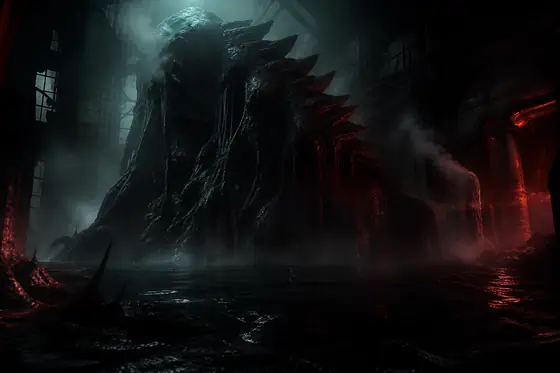
The Xenomorph
Alien · 1979
Hidden in shadow for most of its film, hunting in a sealed environment, and biologically designed so that killing it may kill you too.
Threat index 76
Fear is the most subjective category on this site, so we tried to isolate what actually produces it. Almost none of it is body count. It is unpredictability, the feeling of being hunted, the loss of control, and the sense that the rules protecting you have quietly stopped applying. The villains at the top of this list share one property: you cannot reason with them and you cannot get away.
How this list was scored. Scored on sustained dread rather than shock (35%), inevitability and inability to escape (25%), design and sound (20%) and lasting audience impact reported years later (20%).
Media mix: Film (11), TV (3), Video games (2), Literature (1), Anime (1), Animation (1), Comics (1).
Alien · 1979
Hidden in shadow for most of its film, hunting in a sealed environment, and biologically designed so that killing it may kill you too.
It · 1986
It becomes whatever frightens you most and lives in a town whose adults have agreed not to see it. Two adaptations produced measurable spikes in clown phobia.
No Country for Old Men · 2007
The coin toss is the frightening part. He has removed himself from the decision, which means nothing you say can change the outcome.
The 1974 film feels like a recording rather than a story, and the dinner sequence remains one of the most genuinely upsetting stretches in mainstream horror.
He cannot be killed and he does not chase. He simply arrives, on a schedule you do not control, because you have earned it.
No powers, no weapon, no visible motive. He talks to people and they take their own lives, which is the quietest horror on this list.
He walks while you run and he still arrives first. The absence of any explanation is precisely what makes him unbearable.
The scariest superpower in fiction because it removes consent entirely, and the series is unflinching about what that actually means.
It follows you between areas, opens doors and carries a rocket launcher. It taught an entire genre that safety should never be permanent.
He attacks through grief, which means the safest characters are the ones who have suffered least, and nobody in the story qualifies.
He is behind glass for most of the film and it does not help at all. The fear is that he understands you better than you do.
The one villain whose defense strategy is impossible: you have to sleep, and inside a dream he writes the rules.
The horror of a parent turning, in a building where the nearest help is a hundred snowbound miles away.
He is polite, nervous and completely disarming, which is why the film can kill its own protagonist and leave you with nobody to trust.
A family animated film gave us a man singing about burning a woman alive for refusing him, and he is entirely convinced he is righteous.
The fear is that he wants nothing you can offer. Every negotiating tool a hero has is useless against someone who is not trying to gain anything.
The series' answer to how much worse things could get, and it kept answering. Surrendering to him is measurably worse than fighting.
The crime scenes arrive before he does, and by the time you meet him he has already accounted for everything you are about to do.
It apologizes while killing you. The calm is the horror, and it is the reason the scene still works nearly sixty years later.
Pure momentum. There is no reasoning, no speed and no stopping, and the woods do not end.
Every ranking on this site can be re-sorted by any single attribute. Open this list in the hub and rebuild it by power, intellect, fear or cultural impact, then save your own top picks.